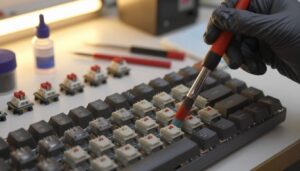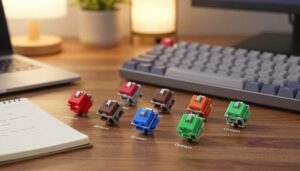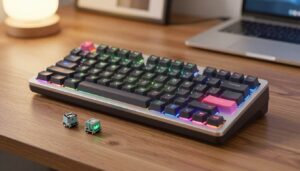
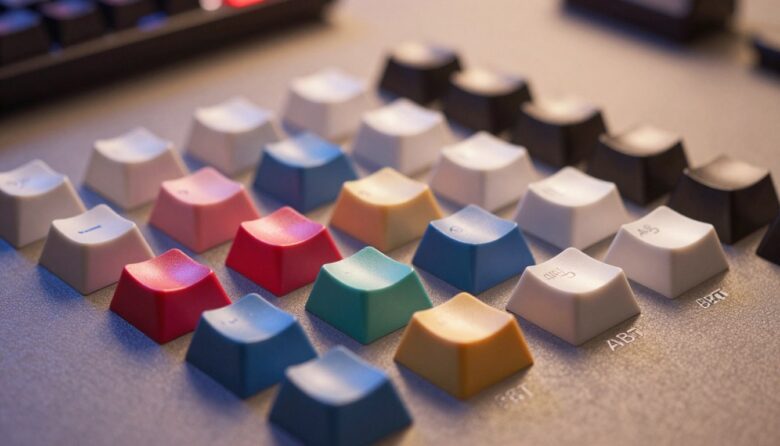
I wrote this introduction to help you navigate the world of mechanical keyboards and replaceable parts. I want to make the decisions easier when you shop for new products.
Choosing the right keycap set affects sound, feel, and typing comfort. Over time, the material and profile of your keycap can change how your switches perform and how your desk setup looks.
What actually made me notice the difference between ABS and PBT
When I first switched keycap sets, I honestly didn’t expect a big difference between ABS and PBT. At the beginning, both felt fine, and I mostly chose based on looks. But after a few months of daily use, I started to notice how the surface changed—my ABS set became noticeably smoother and a bit shiny, while the PBT set kept its texture and felt more consistent over time. That’s when I realized that material isn’t just about aesthetics—it directly affects long-term comfort and feel.
From my experience, sound was another factor I underestimated. The same keyboard with different keycaps can feel like a completely different setup. I noticed that thinner ABS caps gave a sharper, brighter sound, while thicker PBT sets made typing feel deeper and more controlled. This made me pay more attention to how material interacts with switches instead of choosing blindly.
I’ve learned that the real difference between ABS and PBT shows up after weeks of use, not in the first few minutes.
If there’s one practical tip I can share, it’s to think about how often you use your keyboard before choosing. If you type daily for long hours, durability and texture matter more than initial appearance. Taking that into account helps avoid buying a set that looks great at first but doesn’t hold up over time.
I’ll break down the differences between abs pbt plastics and common profile types so you can match form and function to your needs. My approach is practical and hands-on, aimed at beginners and seasoned builders alike.
Expect clear comparisons, tips for selecting sets, and simple explanations of how profile shapes shape typing and sound. By the end, you’ll know which product choices suit your style and workflow.
Key Takeaways
- I explain how material and profile influence feel and sound.
- You’ll learn practical differences between abs and pbt options.
- Profile shape matters for typing comfort and switch performance.
- Choosing the right sets helps your keyboard last over time.
- I offer clear, usable tips for picking products that match your aesthetic.
Understanding Your Custom Keycaps Guide ABS vs PBT
I focus on why the material under your fingers shapes the whole typing experience. I explain how the choice of plastic changes sound, wear, and feel on a daily keyboard.
Most mass-produced boards use standard abs keycaps, which are smooth and economical. Many enthusiasts move to pbt keycaps for a firmer, textured surface that resists shine over time.
Every keyboard develops its own voice and that voice is tied to the plastic and the profile of the cap set. The same switches can sound warmer or sharper depending on the keycap material.
“Material is the first factor I test when tuning sound and feel.”
- I recommend trying different products to hear how profile and plastic interact with your switches.
- Knowing the basics helps you skip cheap sets that wear quickly.
| Feature | abs | pbt |
|---|---|---|
| Feel | Smoother, softer | Textured, firm |
| Durability | Moderate, can shine | High, resists wear |
| Sound | Brighter tone | Deeper, muted tone |
The Characteristics of ABS Plastic Keycaps
I want to walk you through what makes ABS plastic distinct and why it matters for your keyboard setup.
ABS is a widely used thermoplastic. Manufacturers like GMK favor it for vibrant color and crisp legends. The molding process lets makers produce many profiles and detailed designs with reliable light transmission.
Pros:
Pros of ABS
- Easy to mold into varied profile shapes and intricate legends.
- Produces bright, punchy sound because caps are often thinner.
- Offers rich colors and detailed printing during manufacturing.
Cons:
Cons of ABS
- ABS melts at around 105°F, so heat resistance is limited.
- The smooth finish will show greasy shine over time and wear.
- Legends may fade if printing isn’t durable, and thinner caps wear faster.
“ABS delivers vibrant sets and crisp sound, but expect change in finish and wear over time.”
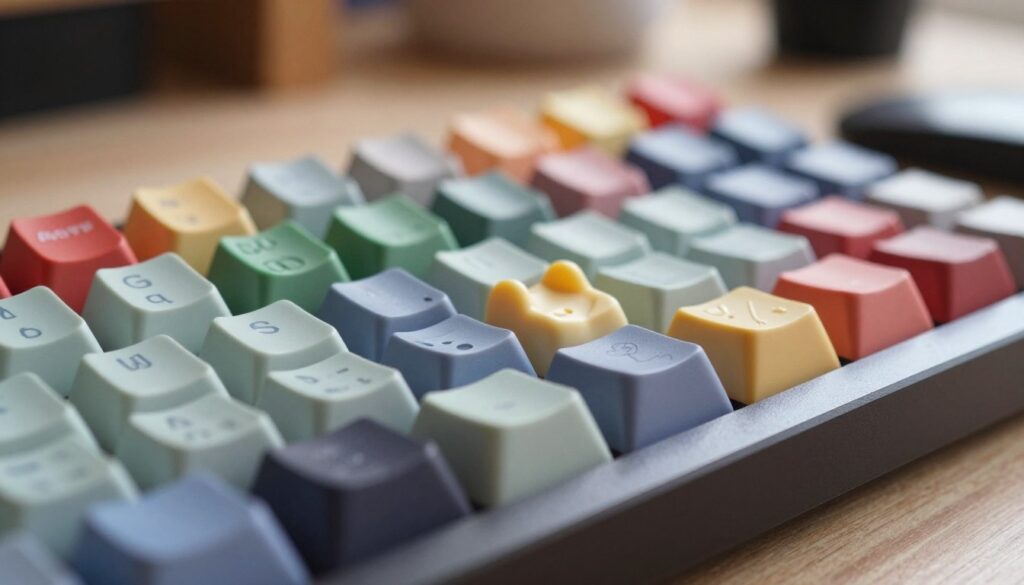
| Feature | ABS | Impact |
|---|---|---|
| Feel | Smooth, thinner | Warmer initial feel; develops shine with time |
| Durability | Moderate | Prone to wear and legend fading under heavy use |
| Sound | Crisp, louder | Thinner plastic emphasizes higher tones |
| Design | Excellent color range | Allows vibrant sets and many profiles |
Why PBT Keycaps Are a Popular Choice for Enthusiasts
I’ll explain why many builders pick tougher plastics when they want a longer-lasting typing surface.
Durability and sound matter more than looks alone. The pbt material has a melting point near 225 degrees Fahrenheit, so it handles heat and heavy use far better than most abs options.
Durability and Sound Profile
PBT keycaps resist shine and preserve legends over time. The textured surface keeps a matte look even after years of heavy typing.
Because pbt is usually thicker, it gives a deeper, more resonant sound that many enthusiasts prefer on their mechanical keyboard.
“PBT keeps my set looking new and sounds fuller than the thinner plastic I used before.”
- Higher heat resistance and better wear resistance.
- More complex manufacturing explains higher price compared to mass-market abs sets.
- Wide colorways, like Glorious GPBT, offer clean, professional looks.
| Feature | PBT | Impact |
|---|---|---|
| Melting point | ~225°F | Better heat resistance and longevity |
| Surface | Textured | Resists greasy shine |
| Sound | Thicker, deeper | Fuller tone on switches |
Exploring Keycap Profiles and Design Aesthetics
Profile shape and legend style are the quiet heroes of a great mechanical keyboard. They decide how your hands move and how the board sounds. Choosing a profile like OEM or Cherry changes angle and height, so typing feel shifts noticeably.
Common Keycap Profiles
Profiles dictate reach and rhythm. Higher, sculpted rows give a curved layout that guides fingers. Flat profiles make fast, linear transitions easier.
- The profile you pick affects sound and comfort with each keystroke.
- Try different sets to find what fits your switches and posture.
Impact of Legends on Design
Legends shape both function and style. Double-shot or dye-sublimated processes lock in text so it won’t fade with heavy use.
Think about light transmission versus bold contrast when pairing legends with lighting and finish.
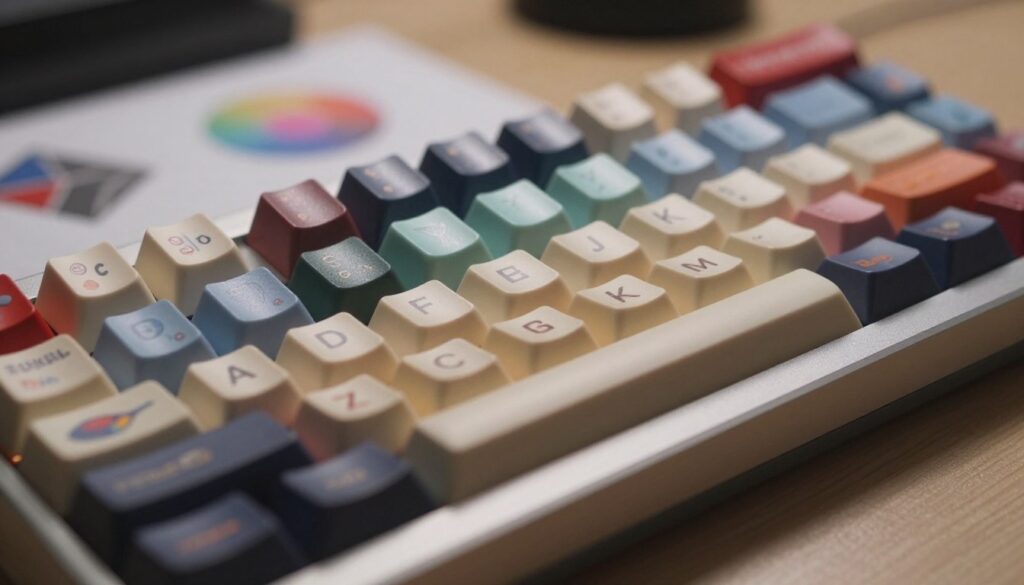
Customizing Your Typing Experience
Choose profile, color, and surface texture to match your workflow and desk. The right set changes sound, look, and durability.
“I love the National Parks collection — 10% of sales support the National Parks Conservation Association.”
| Feature | Effect | Tip |
|---|---|---|
| Profile | Typing angle & comfort | Test OEM and Cherry |
| Legend process | Longevity & light | Prefer double-shot for durability |
| Surface | Texture & finish | Match to switches for best sound |
Final Thoughts on Choosing Your Perfect Keycap Set
Choose a set that makes your keyboard a joy to use.
I believe a well-chosen set can turn a good board into one you enjoy for years. Try to balance sound, feel, and long-term durability when you shop.
I recommend testing options: abs keycaps offer bold color and smooth finish, while pbt keycaps resist shine and wear over time. The abs pbt decision shapes tone, texture, and heat resistance for daily use.
Pay attention to profile, legend quality, and surface texture. These details affect typing, sound, and how the set wears with heavy use.
Thanks for reading — I hope this helps you pick the right set and improve your typing experience.
FAQ
What’s the main difference between ABS and PBT plastics for keycaps?
The key difference is how each plastic wears and sounds. I find ABS surfaces start shiny and smooth but show oil shine and legends can fade faster. PBT stays textured longer, resists heat and chemicals, and usually gives a deeper, firmer sound when typing.
How long do ABS keycaps typically last compared to PBT?
ABS often lasts several years before noticeable shine and legend wear appear, depending on use and oils from skin. PBT can maintain its texture and print for many years longer, so for heavy daily typing I prefer PBT for longevity.
Do ABS caps produce a different typing sound than PBT?
Yes. I notice ABS tends to sound brighter and slightly hollow, while PBT sounds thicker and more muted. The difference also depends on switch type, plate material, and case construction.
What about the feel—are there big differences in texture and finish?
ABS usually feels smoother and can be glossy or matte. PBT has a grainier, more textured finish that I like for grip. Over time ABS becomes slick, while PBT keeps that initial texture longer.
How do manufacturing methods affect legends and durability?
Injection molding, pad printing, dye-sublimation, and double-shot techniques all matter. I prefer dye-sublimation or double-shot for durable legends—pad printing can wear quickly. Double-shot legends are molded in a second layer and last the longest.
Are certain profiles better for typing comfort or speed?
Profile choice is personal. Sculpted profiles like SA or Cherry offer row-specific angles that help my fingers find keys, while uniform profiles like DSA feel flatter and suit compact layouts. I pick profiles based on wrist angle and typing style.
Can heat or sunlight damage either material?
Both can be affected. ABS softens at lower temperatures and may yellow under strong UV exposure. PBT resists heat and UV better, so I store PBT sets out of direct sunlight for best color retention.
How does price vary between ABS and PBT sets?
Generally, ABS sets can be cheaper because they’re widely manufactured. High-quality PBT or double-shot sets cost more due to materials and processes. I weigh budget against desired durability and finish.
Which material takes color and dyes better for vibrant designs?
ABS often shows brighter, glossier colors because of its smoother surface. PBT accepts dye-sublimation well for stable, matte colors but can appear slightly more subdued. For vivid legends and shiny colors, ABS can be preferable.
Are there care tips to extend the life of my caps?
Yes. I clean them gently with mild soap and water, avoid harsh chemicals, and remove caps for deep cleaning to prevent wear. Keep them out of prolonged sunlight and avoid high-heat environments to protect color and shape.
Should I match my switches to the cap material or profile?
Match for personal preference. Tactile or clicky switches pair nicely with thicker PBT for a solid feel and mellow sound. Lighter linear switches can feel springier with thinner ABS. I test combos when possible to find what feels best.
What are common trade-offs when choosing between look, feel, and durability?
You often choose between vibrant, glossy appearance and long-term resilience. ABS can offer brighter designs at lower cost but wears earlier. PBT sacrifices a bit of sheen for texture, sturdiness, and lasting legends—so I prioritize based on how I use my board.
How do legends styles (printed, etched, double-shot) affect longevity?
Printed legends, especially pad-printed, fade faster. Dye-sublimation embeds ink into the material and resists wear. Double-shot legends are two molded layers and virtually immune to wear. I opt for double-shot or dye-sublimated legends for frequent typists.
Can I mix ABS and PBT on the same keyboard?
You can mix materials for aesthetic contrast or to test feel, but beware of uneven wear and sound. I sometimes combine a PBT alphas set with ABS modifiers to balance look and budget, and it works well if you like the mixed texture.
Where should I look for reliable sets and reputable makers?
I shop from well-known vendors and group buys from established keyboard communities. Brands like GMK, Drop, ePBT, and Tai-Hao have consistent quality. Read reviews and check material, legend method, and profile before buying.

Dylan Mercer is a hardware enthusiast specializing in mechanical keyboards and high-performance mice. He shares in-depth reviews, switch comparisons, and setup tips to help users achieve precision, speed, and comfort in every click and keystroke.